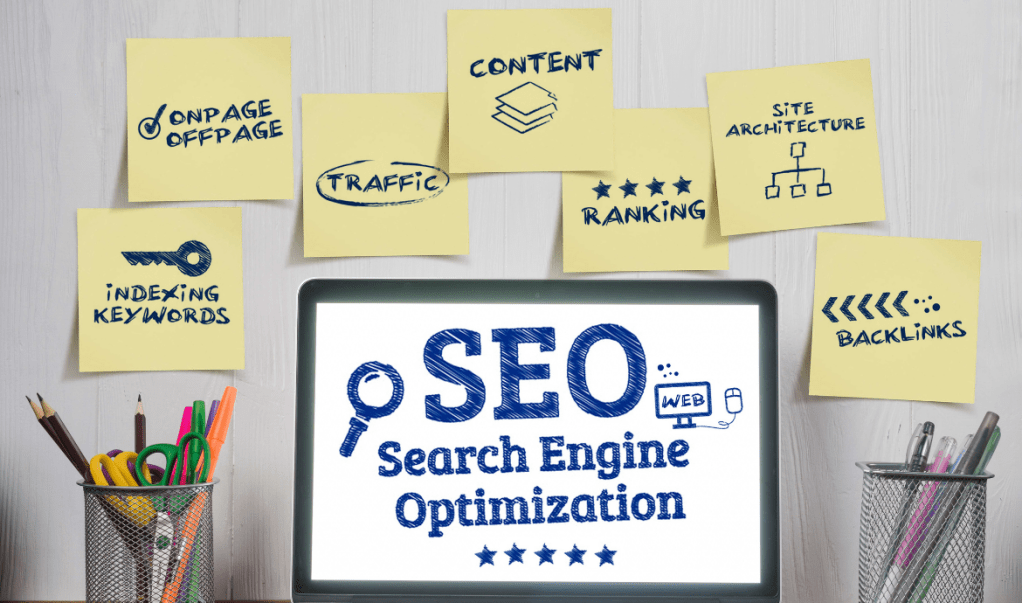
SEO is crucial for digital marketing, helping websites gain visibility and organic traffic from search engines. It consists of two main branches: On-Page SEO and Off-Page SEO. In this article, we’ll explore the differences between them and their impact on search engine rankings.
On-Page SEO
On-Page SEO refers to the optimization efforts made directly on the website’s pages to improve their visibility and relevance to search engines and users alike. It involves techniques that webmasters have complete control over and can implement to enhance the overall structure and content of the website. Key components of On-Page SEO include:
Quality Content
Creating valuable, relevant, and engaging content is the backbone of On-Page SEO. Search engines favor high-quality content that matches user intent and provides solutions to their queries.
Keyword Optimization
Thorough keyword research and strategic placement of targeted keywords within the content, meta tags, and headings help search engines understand the topic and relevance of the page.
Meta Tags
Optimizing meta title tags and meta descriptions allows search engines to display informative snippets on SERPs, enticing users to click through to the website.
URL Structure
Using descriptive and keyword-rich URLs can contribute to better search engine indexing and user experience.
Page Speed
Ensuring fast-loading web pages improves user experience and can positively impact search engine rankings.
Mobile Responsiveness
With the increasing number of mobile users, having a mobile-friendly website is crucial for both user experience and SEO.
Internal Linking
Creating a network of internal links within a website helps search engines understand the site’s architecture and establishes hierarchy for different pages.
Off-Page SEO
Unlike On-Page SEO, Off-Page SEO involves actions taken outside the website to improve its online reputation and authority. The focus here is on building a positive perception of the website among users and search engines. Off-Page SEO heavily relies on earning backlinks from other reputable websites, indicating that the content is valuable and trustworthy. Key elements of Off-Page SEO include:
Link Building
Acquiring high-quality backlinks from authoritative and relevant websites is a critical aspect of Off-Page SEO. The more reputable websites that link back to a page, the more search engines perceive it as a reliable and valuable resource.
Social Media Marketing
Engaging in social media platforms can amplify a website’s visibility and attract more traffic. Shares, likes, and comments on social media can indirectly influence search engine rankings.
Online Reputation Management
Monitoring and managing online reviews and mentions of a brand can impact its reputation and, consequently, its search engine rankings.
Guest Blogging
Contributing valuable content to other reputable websites within the same niche can help establish the author’s expertise and build valuable backlinks.
Influencer Marketing
Collaborating with influencers and industry experts to promote a website or content can expand its reach and increase its authority.
The Synergy between On-Page and Off-Page SEO
While On-Page and Off-Page SEO are distinct approaches, they are interconnected and work together to improve a website’s overall performance in search engine rankings. High-quality content (On-Page SEO) serves as the foundation for link building (Off-Page SEO) efforts. Websites with valuable content are more likely to attract organic backlinks from other sites, thus enhancing their online reputation and authority.
Conversely, Off-Page SEO efforts provide the visibility necessary for users to discover the valuable content on a website. When a website receives more backlinks and social signals from reputable sources, search engines are more likely to consider it as a reliable and relevant source, ultimately improving its rankings in search results.
Conclusion
On-Page SEO and Off-Page SEO are vital for a complete SEO strategy. On-Page SEO optimizes content and structure for search engines and users. Off-Page SEO builds authority through backlinks and social signals.
To succeed in search engine rankings, a balance between both is crucial. Quality content and a well-optimized website are essential, while Off-Page SEO expands reach and credibility. Understanding their differences allows digital marketers to create a powerful SEO strategy, driving organic traffic and enhancing online visibility.




Leave a comment