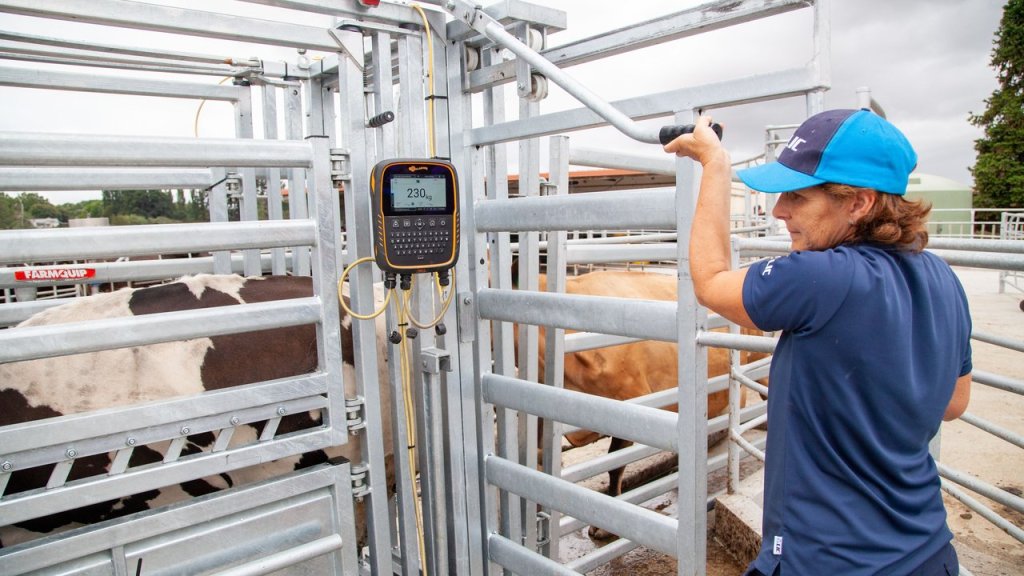
When it comes to understanding how much a cow weighs, the answer varies depending on the breed, age, and feeding patterns. On average, a mature cow from popular breeds weighs around 1,400 pounds (lbs). Among them, Hereford cows are the heaviest, averaging about 1,419 lbs, followed closely by Angus and Red Angus, at 1,410 lbs and 1,409 lbs respectively.
Cattle Weight Trends Over Time
According to Ken Olson, a range beef cow specialist at South Dakota State University, the size and weight of beef cattle have significantly increased over the past few decades. Compared to the 1990s, modern fed cattle (steers and heifers) are larger and spend about eight more days on feed. They also gain weight 16% faster and are more efficient in feed conversion — though the meat quality and marbling have remained consistent.
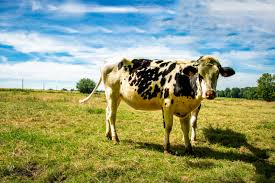
Olson noted during the Range Beef Cow Symposium in Mitchell, Nebraska,
“There is a steady upward trend for both steers and heifers. On average, they are 150–170 lbs heavier at finishing today — roughly 14% larger. They stay on feed a little longer but gain weight faster and more efficiently.”
Beef Production Data & Industry Efficiency
Ken Olson referenced the work of Justin Waggoner from Kansas State University, who led a long-term research project called “Focus on Feedlots.” The project collected 20 years of data from Kansas feedyards, ranging from 10,000 to 75,000-head operations.
The data revealed that the U.S. beef industry has maintained stable production levels with fewer cattle since 1974.
“There’s been about an 18% improvement in beef produced per cow over the last 20 years,” Olson added.
This increase reflects better genetics, nutrition, and cattle management software that help optimize performance.
Breed Comparisons: Which Cow Weighs the Most?
To illustrate the changes in cow size by breed, Olson used EPD (Expected Progeny Differences) numbers as a reliable indicator of growth. Since the 1970s, yearling weights for Angus cattle have increased by 96 lbs, while average steer and heifer weights have grown by 239 lbs and 300 lbs, respectively.
Also Read: Gaymetu E Explained: Gameplay, Features, and Benefits
Additional research from the USDA’s Germplasm Evaluation Program compared nine sire breeds raised under identical conditions. The results showed:
| Breed | Average Weight (lbs) |
|---|---|
| Hereford | 1,419 |
| Angus | 1,410 |
| Red Angus | 1,409 |
| Simmental | 1,404 |
| Limousin | 1,391 |
| Charolais | 1,371 |
| Gelbvieh | 1,323 |
Olson observed that British breeds (like Angus and Hereford) have seen greater growth potential, while Continental breeds (such as Charolais and Limousin) often prioritize other traits like efficiency or carcass quality.
Cow Weight and Feed Management
As Olson pointed out, “The more a cow eats, the more it weighs.”
Proper livestock management and feed control are key in maintaining cows within the optimal 1,200–1,400 lb range. A rancher’s goal should be to know the actual mature cow weight to make informed feeding and breeding decisions.
For instance:
- A 1,200 lb cow consumes about 9,353 lbs of dry matter annually.
- A 1,400 lb cow consumes about 10,406 lbs — roughly 11% more feed.
However, the nutrient requirement doesn’t rise proportionally to size — a 1,400 lb cow only needs about 11% more maintenance energy, even though it’s 16% heavier.
Feed Efficiency & Weaning Weight
When Olson analyzed the data, he found that a 1,200 lb cow uses about 18.7 lbs of feed to produce 1 lb of weaned calf weight. By comparison, a 1,400 lb cow produces a 550 lb calf.
His conclusion: adding 200 lbs to a cow’s weight requires adding around 50 lbs to the weaning weight of her calf.
This finding highlights the importance of balancing cow size, feed resources, and production goals to maintain both efficiency and profitability in beef cattle operations.
Sustainable Cattle Production
Olson advises cattle producers to consider environmental factors such as ranch ecosystem, feed availability, and stocking rates before increasing cow sizes.
“Production systems need an integrated approach,” he said. “When we adjust genetics, we must also consider how it affects feed supply, rangeland, and overall herd productivity.”
FAQs About Cow Weight
1. What is the average weight of a cow at slaughter?
Today’s slaughter cattle (heifers and steers) are about 14% heavier than in 1990 due to improved feeding and genetics.
2. What is the average hanging weight of a cow?
A cow weighing 1,200 lbs typically has a hanging hot carcass weight (HCW) of about 750 lbs.
3. What is the average beef cow weight?
A 1,000 lb steer yields a carcass weight of around 615 lbs, which reduces to 430 lbs after chilling and trimming.
4. How much does a mature cow weigh?
Most mature beef cows weigh between 1,200 and 1,400 lbs, depending on breed, genetics, and feed management.
🐄 Key Takeaway
Understanding how much a cow weighs isn’t just about numbers — it’s about managing cattle health, feed efficiency, and beef production profitability.
Modern EHR and cattle management software help ranchers monitor growth, feeding efficiency, and optimize operations for better yields.
source: https://agtech.folio3.com/blogs/how-much-does-a-cow-weigh/



Leave a comment