Written by: Karen Berger, PharmD
Medically Reviewed by: Michelle Vermeulen, PharmD
Updated on: May 21, 2024
Reading Time: 9 minutes
What Is Sertraline (Zoloft)?
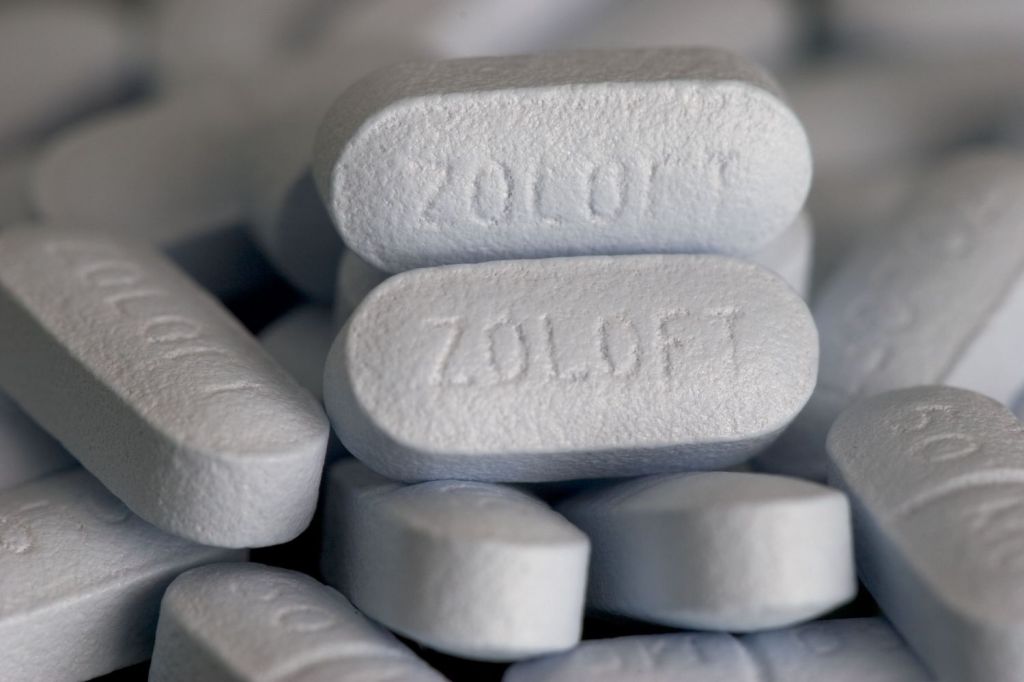
Sertraline, commonly known by its brand name Zoloft, is a prescription antidepressant belonging to a class of medications called Selective Serotonin Reuptake Inhibitors (SSRIs).
It’s one of the most widely prescribed medications for mental health conditions such as depression, anxiety, and OCD, helping millions of people manage mood and emotional balance by increasing serotonin levels in the brain.
Common Brand and Generic Names
- Brand name: Zoloft
- Generic names: Sertraline, Sertraline HCL, Sertraline Hydrochloride
Pronunciation: SER-tra-leen
Drug Class: SSRI (Selective Serotonin Reuptake Inhibitor)
Availability: Prescription only, generic forms available
Dosage Forms:
- Oral tablets: 25 mg, 50 mg, 100 mg
- Capsules: 150 mg, 200 mg
- Oral solution: 20 mg/mL
Uses: What Is Sertraline Prescribed For?
Sertraline is commonly used to treat a range of mental health conditions, including:
- Depression
- Obsessive-Compulsive Disorder (OCD) – unwanted repetitive thoughts and behaviors
- Panic Disorder – frequent and unexpected panic attacks
- Post-Traumatic Stress Disorder (PTSD)
- Social Anxiety Disorder (SAD) – fear and anxiety in social situations
- Premenstrual Dysphoric Disorder (PMDD) – severe form of PMS with mood-related symptoms
Your healthcare provider may also prescribe sertraline for other conditions as needed.
How Sertraline Works
Sertraline helps restore the balance of serotonin, a natural neurotransmitter in the brain that affects mood, sleep, and emotional well-being.
By preventing the reabsorption of serotonin, it helps increase serotonin availability, which can improve mood and reduce anxiety over time.
How to Take and Store Sertraline
- Take sertraline exactly as prescribed — usually once daily, with or without food.
- Store at room temperature (68°F to 77°F / 20°C to 25°C) in a cool, dry place.
- Do not stop taking sertraline suddenly — always consult your healthcare provider before adjusting your dosage.
Common Side Effects of Sertraline
Most people tolerate sertraline well, but some may experience side effects, especially when starting treatment or adjusting the dose.
Common Side Effects in Adults
- Nausea or upset stomach
- Diarrhea
- Appetite loss
- Fatigue or drowsiness
- Dizziness
- Trouble sleeping
- Sweating
- Shaking or tremors
- Sexual side effects (e.g., reduced libido, difficulty reaching orgasm)
Common Side Effects in Children and Teens
- Nosebleeds
- Increased urination
- Agitation or restlessness
- Aggression
- Possible slower growth or weight change
If side effects persist or worsen, consult your healthcare provider.
Serious Side Effects of Sertraline (When to Seek Help)
While rare, some side effects can be serious and require immediate medical attention:
1. Suicidal Thoughts or Behavior
Sertraline may increase suicidal thoughts in young adults during the first few months of use.
Seek immediate help if you or a loved one experiences:
- New or worsening depression or anxiety
- Thoughts of self-harm
- Unusual changes in behavior
If in the U.S., call 911 or 988 (Suicide & Crisis Lifeline).
2. Serotonin Syndrome
Too much serotonin can be life-threatening.
Symptoms include:
- Agitation or confusion
- Rapid heartbeat
- Sweating or fever
- Muscle stiffness or twitching
- Nausea or vomiting
3. Allergic Reactions
Stop taking sertraline and get emergency help if you have:
- Swelling of the face, lips, or throat
- Difficulty breathing
- Hives or rash
4. Bleeding Risk
Combining sertraline with blood thinners or NSAIDs (like ibuprofen or aspirin) can increase bleeding risk.
5. Mania (in Bipolar Disorder)
Sertraline can trigger manic episodes in people with bipolar disorder. Watch for:
- Extremely high energy or rapid speech
- Decreased need for sleep
- Reckless behavior
6. Seizures
If you experience muscle spasms, jerking movements, or loss of consciousness, stop the medication and contact your doctor immediately.
7. Glaucoma
Symptoms like severe eye pain or seeing colored halos around lights may indicate increased eye pressure — seek urgent care.
Warnings & Precautions
Who Should Avoid Sertraline
- Anyone allergic to sertraline or Zoloft ingredients
- People with moderate or severe liver problems
- Individuals currently taking MAOIs (Monoamine Oxidase Inhibitors)
Before You Start Sertraline
Tell your healthcare provider if you have:
- Liver, kidney, or heart problems
- Bipolar disorder
- Low sodium levels
- History of seizures or stroke
- Bleeding disorders
- High blood pressure
Pregnancy & Breastfeeding
- Use during pregnancy may pose risks to the baby.
- Sertraline can pass into breast milk — discuss benefits and risks with your doctor.
Drug Interactions
Sertraline interacts with several medications, including:
- MAOIs and tricyclic antidepressants
- SSRIs/SNRIs (other antidepressants)
- Triptans (migraine medications)
- St. John’s Wort (herbal supplement)
- Blood thinners and NSAIDs
- Certain heart rhythm medications
Avoid alcohol while taking sertraline, as it can worsen drowsiness and impair concentration.
Missed Dose or Overdose
- Missed Dose: Take it as soon as you remember. Skip it if your next dose is near. Never double up.
- Overdose: Seek emergency medical help or contact Poison Control at 800-222-1222.
Final Thoughts
Sertraline (Zoloft) is a trusted and effective treatment for depression and anxiety-related disorders. While it may cause mild side effects, most are temporary and manageable. Always use this medication under medical supervision, and never stop taking it abruptly.
If you have questions about whether sertraline is right for you, consult your doctor, psychiatrist, or pharmacist for personalized advice.
Disclaimer
This blog post is for informational purposes only and should not replace professional medical advice. Always consult your healthcare provider before starting, changing, or stopping any medication.



Leave a Reply