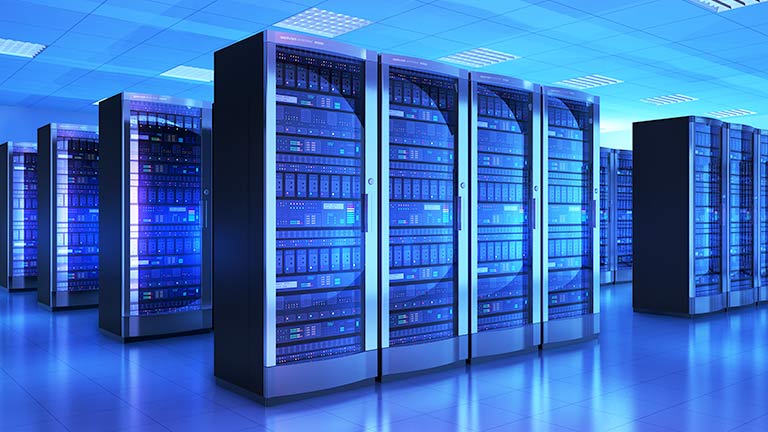
As businesses continue to generate massive volumes of data, the demand for reliable and scalable storage infrastructure has become more critical than ever. From cloud applications and virtualization to AI workloads and analytics, organizations now depend on enterprise-grade storage systems to ensure performance, availability, and data security.
Why Enterprise Storage Matters
Enterprise storage refers to centralized systems designed to store, manage, and protect large volumes of business-critical data across multiple servers and applications. Unlike traditional storage solutions, enterprise systems are built for scalability, high availability, and performance under heavy workloads. These systems often support hundreds of terabytes to petabytes of data, making them essential for modern data-driven operations.
At its core, enterprise storage ensures that businesses can access and manage data efficiently without downtime or bottlenecks. It also plays a key role in data protection, disaster recovery, and compliance with industry regulations.
Key Types of Enterprise Storage Solutions
There are several storage architectures that businesses commonly use based on their requirements:
1. Network Attached Storage (NAS)
NAS systems provide file-level storage over a network, allowing multiple users and devices to access shared data. They are widely used in organizations that require centralized file sharing and backup capabilities. NAS solutions are known for their simplicity and cost-effectiveness, making them suitable for small to mid-sized enterprises.
2. Storage Area Network (SAN)
SAN is a high-performance, dedicated network that provides block-level storage to connected servers. It is designed for mission-critical workloads such as databases, ERP systems, and virtualization environments. SAN offers superior speed, redundancy, and reliability, making it a preferred choice for large enterprises that require maximum uptime and performance.
3. Direct Attached Storage (DAS)
DAS refers to storage devices directly connected to a server or computer. While it offers high performance for single systems, it lacks scalability and shared access capabilities compared to NAS and SAN solutions.
Emerging Trends in Enterprise Storage
The enterprise storage landscape is rapidly evolving due to new technological demands. One of the most significant trends is the rise of hybrid storage architectures, which combine on-premises infrastructure with cloud storage to improve flexibility and cost efficiency.
Another major shift is toward flash-based storage and NVMe technology, which significantly improves data transfer speeds and reduces latency for high-performance applications. Additionally, businesses are increasingly adopting software-defined storage (SDS) to improve scalability and simplify infrastructure management.
Recent industry insights also highlight the growing importance of hybrid SSD-HDD deployments, driven by rising SSD costs and supply chain challenges. This approach allows organizations to balance performance and cost while maintaining data accessibility and redundancy.
The Importance of Choosing the Right Hardware Partner
Selecting the right storage infrastructure is not just about technology it’s about long-term reliability, scalability, and support. Businesses need hardware that can grow with their data demands while ensuring minimal downtime and maximum efficiency.
This is where trusted B2B hardware providers like StateDrives play a crucial role. By offering enterprise-grade IT hardware including servers, SSDs, HDDs, and networking equipment from leading global brands, StateDrives helps organizations build scalable and cost-effective storage environments tailored to their operational needs.
Conclusion
Enterprise storage is no longer just an IT component it is a strategic foundation for business growth. As data volumes continue to expand, companies must invest in scalable, high-performance storage systems that ensure security, availability, and efficiency. Whether through NAS, SAN, or hybrid infrastructure, the right storage strategy can significantly improve operational performance and long-term data management.


Leave a Reply